
Long Term Thinking Means Ending Short-Term Reports
 The chorus to end quarterly corporate reporting recently gained two prominent voices from the financial world. In a recent article in Bloomberg, Jamie Dimon, CEO of JP Morgan Chase, and Warren Buffett, the Chairman of Berkshire-Hathaway, advised companies to do away with their emphasis on quarterly earnings reports, arguing that it motivates misconduct and shifts the focus from sustained growth and stability to immediate profits and performance.
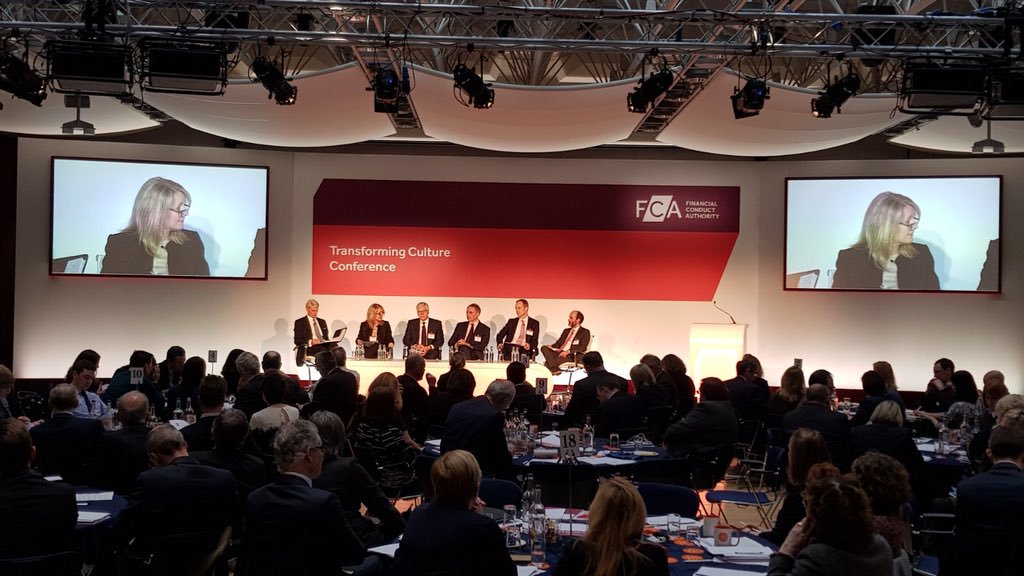 At the recent Financial Conduct Authority March 2018 meeting in London, Ethical Systems Executive Director
 Behavioural science can tell us a lot about how humans are hardwired, and where efforts to improve diversity will be best spent.
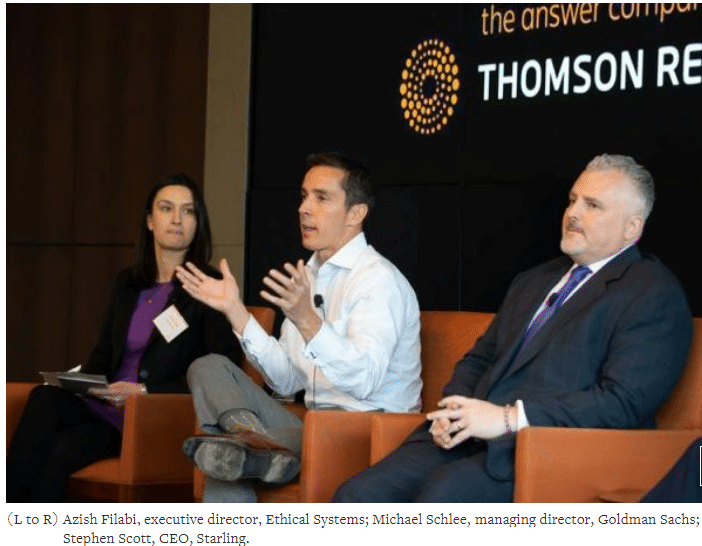 At a recent Thomson Reuters forum in New York on culture and behavioral science in the banking industry, Ethical Systems’ Executive Director Azish Filabi joined a panel with fellow experts to discuss how research and data helps shape ethics and culture.
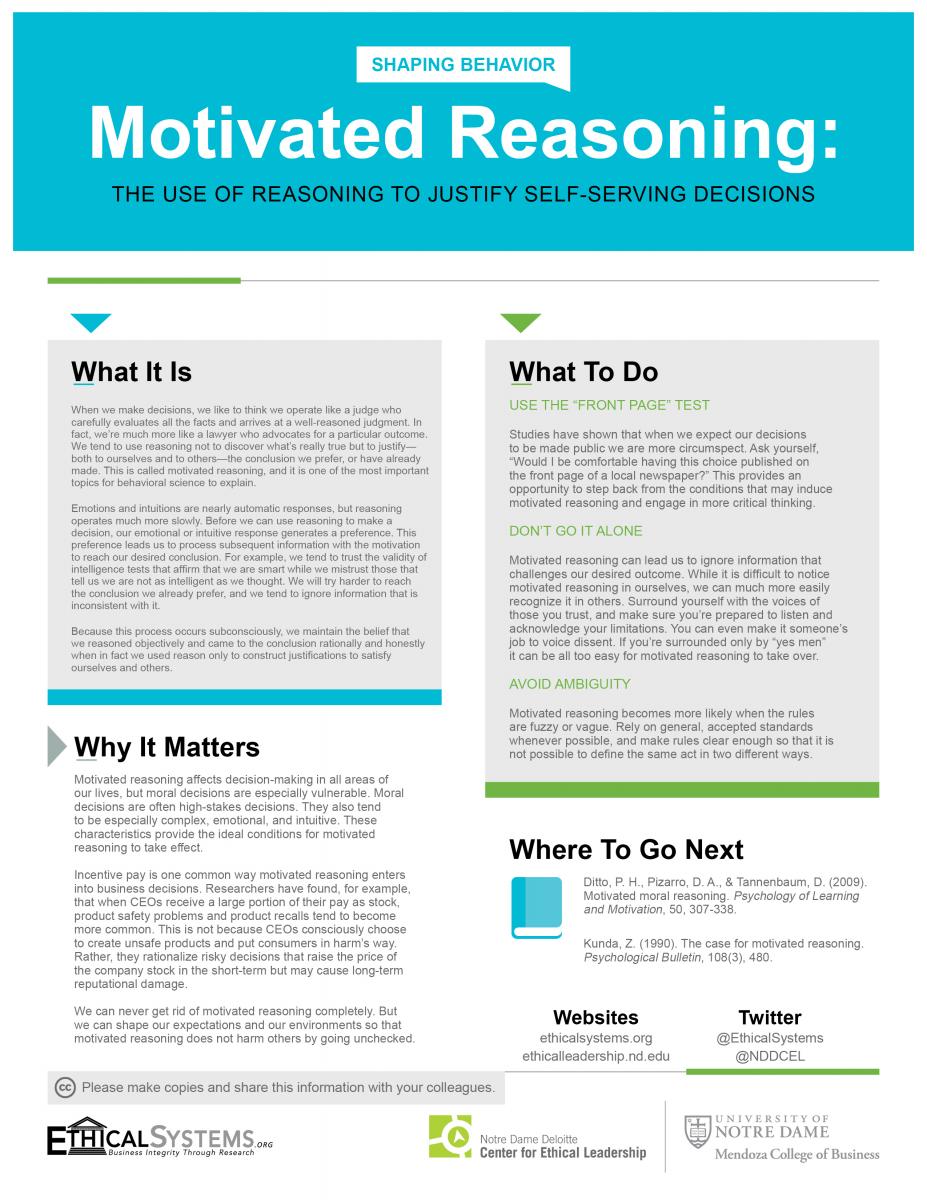 Our newest topic is “Motivated Reasoning” explaining how the process by which we make decisions is less like a judge who carefully evaluates all the facts and arrives at a well-reasoned judgment and more like a lawyer who advocates for a particular outcome.
 In this podcast, (Risk Assessment Network + Exchange) RANE’s Serina Vash sits down with
  In the wake of the 10 year anniversary of the collapse of Bear Stearns, we’ve been considering the long-term impact of the financial crisis and its reverberations on Main Street today. For many, there’s been a seemingly permanent shift in how they view Wall Street, including its purpose and the people who have been charged with managing their hard earned money. While the economy may have recovered since the Great Recession, there are numerous former investors whose levels of trust in financial companies have not.
 Ethical Systems is partnering with Thomson Reuters Legal Managed Services, Regulatory Intelligence, and Starling to put on a panel event on Bank Culture Reform & Behavioral Science.
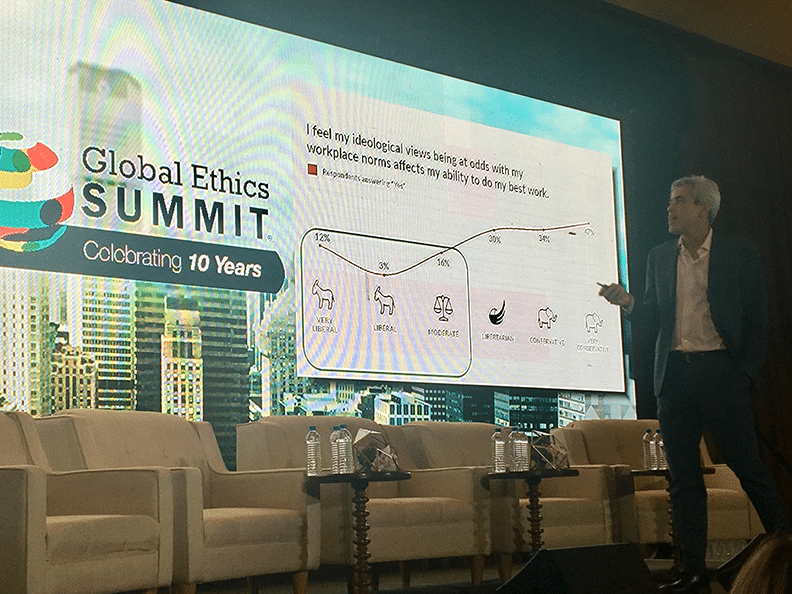 In today’s polarized political climate, it is even more important to know how to engage in constructive dialogue in order to advance mutual business interests and perpetuate a sustainable organizational culture of ethics and respect.